
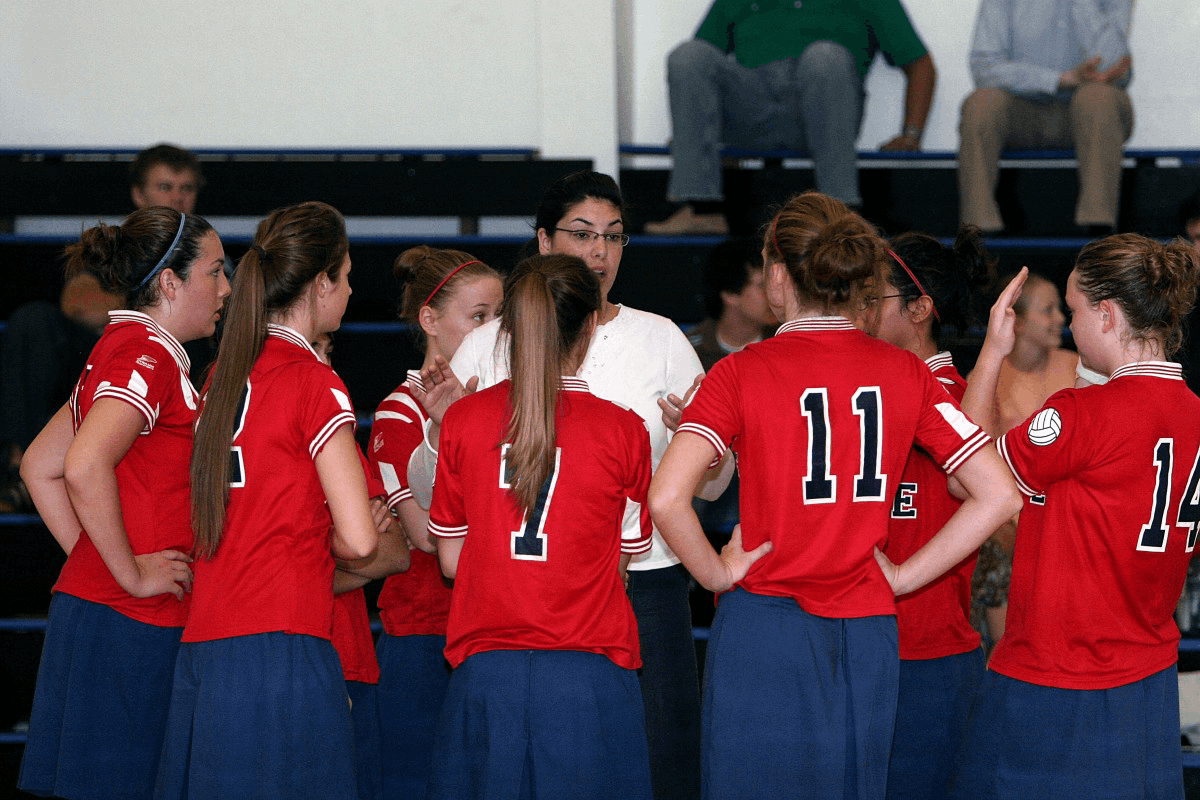
Motivating a reluctant learner can feel like an uphill battle, but starting with a calm approach can make all the difference. Staying calm amidst any chaos sets the stage for a more constructive interaction. When emotions run high, taking a moment to breathe and collect your thoughts can prevent escalation and help maintain focus.
Finding internal motivations is key to engaging a reluctant learner. Instead of focusing purely on external rewards, consider what inherently drives them. Is there a hobby or interest they passionately pursue? Tapping into these can spark a desire to learn. Aligning lessons with personal interests can transform learning from a chore into something much more engaging.
Developing relationships with learners is vital. Building trust and rapport can open doors to understanding why a learner is reluctant. It’s not just about solving the immediate issues but understanding their perspective. A simple conversation sharing interests can pave the way for more productive learning sessions.
Remembering to be the adult in the room is crucial to create a stable learning environment. While it might be tempting to match a child’s defiance with equal energy, having patience and modeling calm behavior lays down the groundwork for effective communication. Kids often reflect what they see, so being calm and composed sets a positive example of how to handle challenges.
Effective Strategies for Engagement and Improvement
Breaking tasks into smaller pieces can make a huge difference in how a learner perceives a daunting task. When you break down assignments into manageable steps, it becomes less overwhelming and more achievable. It’s like shifting your focus from the whole mountain to just the next step on the trail.
Offering win-win choices is another great strategy. Giving kids options where both results are positive encourages them to make decisions that suit them best, fostering independence while maintaining a learning structure. It’s about guiding them without dictating every move, allowing them to take ownership of their learning.
Avoiding power struggles is vital. Instead of engaging in conflict, redirect the energy into cooperation. Asking questions like ‘How can we solve this together?’ turns situations into team efforts rather than battles. This approach builds a collaborative atmosphere, showing learners that you’re there to support, not to combat.
Celebrating small victories helps in maintaining motivation. Recognizing and rewarding even minor progress shows learners that their efforts are noticed and valued. It reinforces the idea that growth comes from consistent effort, no matter how small the steps.
Lastly, normalizing uninteresting tasks teaches the value of perseverance. Reminding kids that everyone has to tackle tasks they might not find exciting helps set realistic expectations about learning and life. Combining this perspective with the other strategies creates a supportive environment where motivation can grow naturally.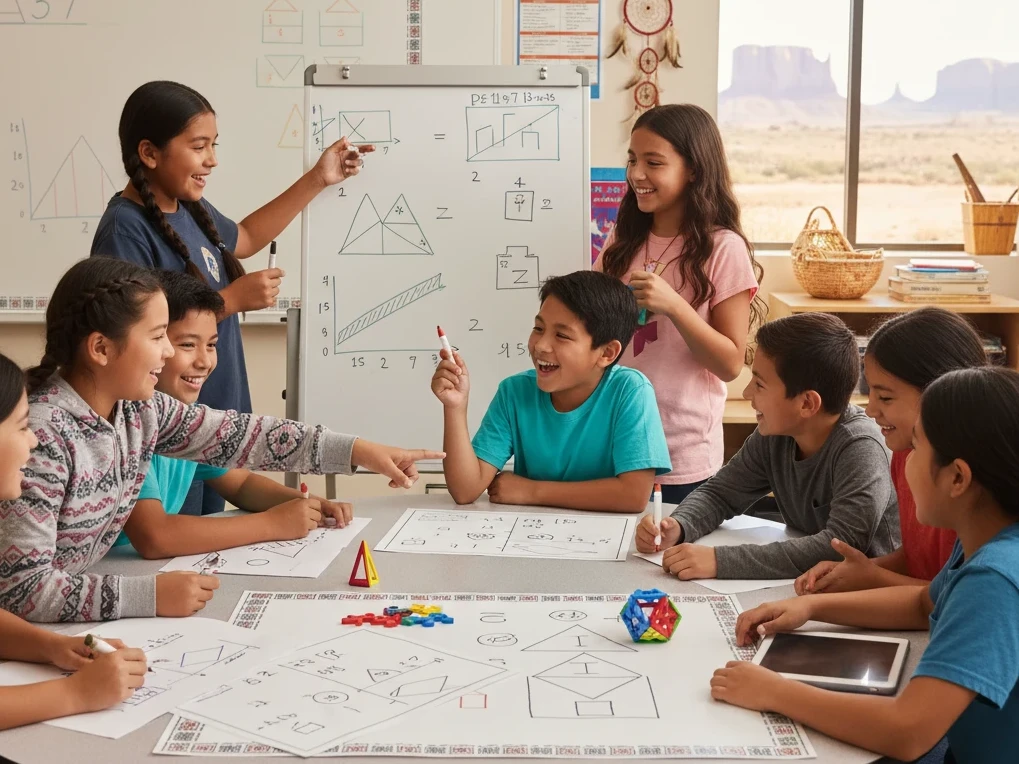
Leave a Reply